What are language versions?
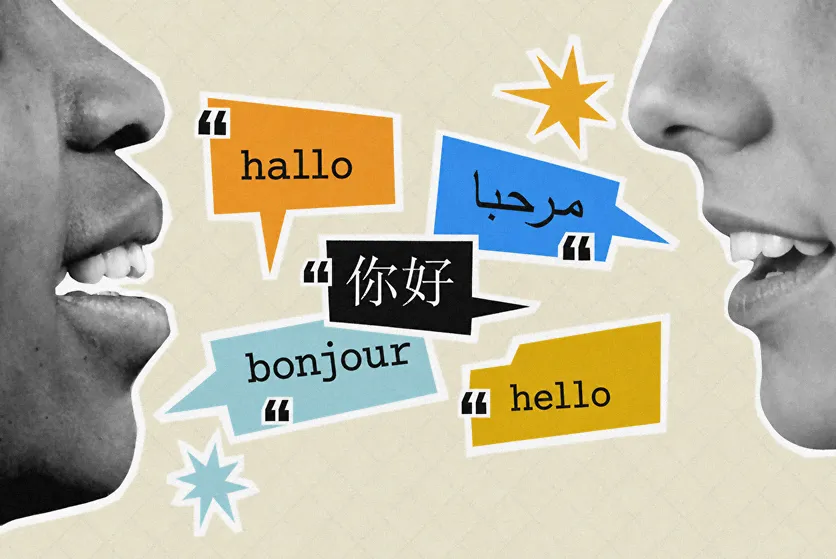
Multilingual animation starts with one story and adapts it for people who speak different languages or live in different countries. You can use the same animation with several subtitle tracks, or give each audience a version with its own narration, on-screen text and edit.
Decide what can stay the same and what needs to change locally. The examples, currency, job titles and contact details may need as much attention as the script. The right approach also depends on where people will watch, how much they need to take in and what you have budgeted.
Subtitles or a new voice-over?
Translated subtitles
Keep the original voice-over and illustrations, with translated subtitles. This can work for short videos people watch on mute and for viewers who can already follow much of the original narration. For IKC Play, we kept the English recordings and added subtitles in seven languages. Leave enough time for viewers to read and follow what happens on screen.
A full language version
Record a voice-over in the target language and adapt the on-screen text and edit. For the European Banking Federation, we made a separate Spanish version. A local voice can work better for training, instructions and videos for young children who need to concentrate on the illustrations.
How we adapt a video for another market
A script needs to sound natural when spoken and fit the action on screen. Give the translator the animation and a brief covering the audience, tone and key terms. For medical, legal or technical wording, ask someone who knows both the subject and the target language to check the meaning.
Local references matter too. A job title or public service familiar to Dutch viewers may need an explanation elsewhere. Check where the final screen sends people and whether the link, contact details and next step work in each market.
What changes in production?
We check the new script against the visuals, choose a voice that suits the audience and adjust how long captions, labels and drawings stay on screen. If a different alphabet or script is needed, we check that the font supports it and that the text breaks in sensible places. Each finished version gets its own review for pronunciation, spelling, timing and export.
Subtitle files and accessibility
We can supply an SRT file for each language, so viewers can choose a track where the player supports it. We can also put subtitles directly into the video for screens or channels that cannot load a separate file.
Tell us what accessibility features your audience needs. Captions can identify important sounds and changes of speaker as well as dialogue. A transcript or audio description may also be useful. Have someone check the subtitles in context, especially names and specialist terms.
Plan your language versions early
Tell Bob and Edwin which languages you need, where people will watch and who will approve each version. Once the original script is signed off, translators can work from the same wording. We can keep on-screen text editable and allow room for longer translations while we storyboard.
List the narration, subtitles, on-screen text, closing screen and delivery format for each version. If more languages may follow, we can plan for them and supply a clean master without narration or subtitles where needed.
What do extra language versions cost?
A checked subtitle file takes less production work than a version that needs a new recording, translated on-screen text and a revised edit. Use the price calculator to compare the options. We’ll agree who is translating, which recordings and edits you need, and a fixed price for the agreed versions.
Multilingual animation examples

IKC Play · English voice-over
One play concept in seven subtitle languages
Three versions of an animated campaign for hospitality, healthcare and retail, with subtitles in seven languages.

IKC Play · English and Chinese
A COVID-19 explainer for children
In a separate project for IKC Play, we adapted the voice-over, on-screen text and timing for a Chinese audience.

European Banking Federation · English and Spanish
Europe’s investment gap in two languages
An English whiteboard animation explains a European investment report in 90 seconds. We later made a separate Spanish version.
Multilingual animation FAQs
Can you adapt an existing animation?
Often, yes. The original project files, editable text layers and a clean export without subtitles make this easier. Tell us what you have and we’ll check what can be changed.
When is a new voice-over worth it?
Subtitles can work well for short social videos or audiences who already understand the original voice-over. A voice-over in the target language may work better when viewers need to follow detailed instructions, when the video is for children or when reading and watching at the same time would be difficult.
Can you arrange translation and voice-over?
Yes. We work with professional translators and voice artists who speak the target language natively. If your organisation uses specialist terms, it helps to have someone on your team check the wording.
Why does the timing need to change?
The same message can take longer or shorter to say in another language. We adjust pauses, cuts and the time words stay on screen so the narration and visuals still work together.
How much does an extra language version cost?
It depends on whether you need subtitles or a separate version, and how much translation, recording and editing is involved. Estimate your language options.